
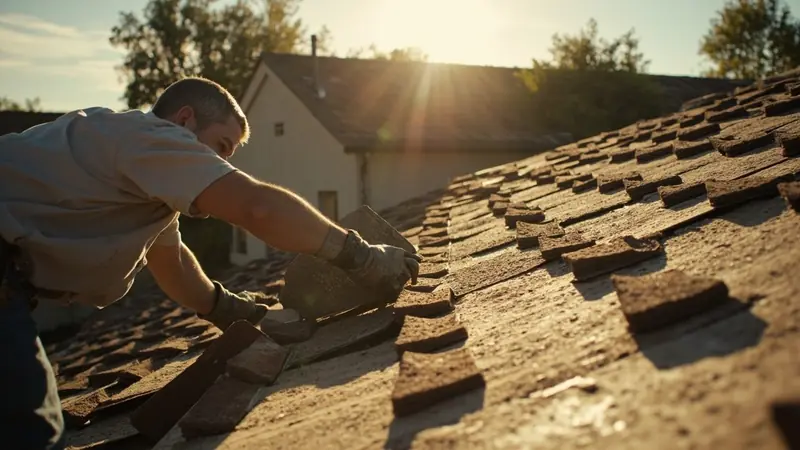
Tile roof installation and the lift and relay decision
Two different jobs fall under tile roof installation in Ontario: a full tear off down to the bare deck, or a lift and relay that resets sound tile over fresh underlayment. Which one applies depends on what has failed, the tile itself or the felt sitting under it.
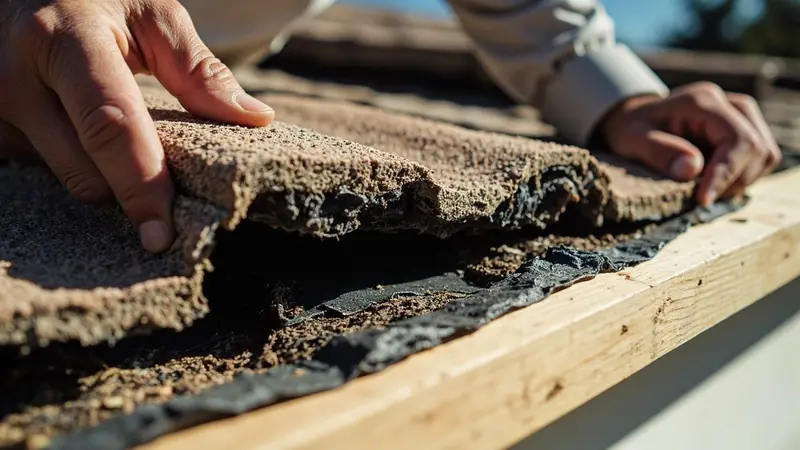
Cracked roof tiles and slipped roof tiles rarely mean the tile is the problem. Concrete tile roofing and clay tile roofing commonly outlast the felt underlayment running beneath them. The tile can look sound while the layer protecting the deck has already given out. A ceiling stain with no recent rain points at that underlayment. So does a tile that will not sit flat again, no matter how many times it gets pushed back down.
Tile itself is fired clay or cast concrete, so weather does not break it down the way it breaks down an asphalt mat. The felt underneath it is the one material in the assembly built to a shorter service life than the covering above it. That is why a roof can look untouched from the curb while the layer doing the waterproofing has already failed.
The mechanism usually starts at the soffit. Blocked soffit intake vents leave warm house air with nowhere to go but up against the deck. Attic humidity climbs through the winter months. Nail shanks sweat, and the sheathing under the tile starts to delaminate. The surface tile can look sound while this happens underneath it.
A few raised tiles on their own are a lift and relay. Leave them alone, and the torn felt under that row keeps letting water reach the deck every time it rains, until a soft patch shows up on the ceiling below that spot. Once that soft patch appears, call before the next rain moves through. The opened felt is already routing water past the tile field and into the framing around it.
New construction roofing is the call to make instead, when the house has no roof on it yet and the deck sits framed with nothing laid down. That is a different job, with no existing felt to diagnose, but the same question about soffit intake and ridge exhaust still applies before the first course goes down.
The CSLB License Lookup publishes the rules that govern work like this in your area.
Find the sign you have, then read across to see how soon to call.
| Symptom or first sign | What is already happening | What it becomes if ignored | When to call |
|---|---|---|---|
| Blocked soffit intake | Attic humidity climbs and the nails sweat all winter | The sheathing delaminates and the shingles cup from underneath with nothing wrong on the surface | Call this week |
| Missing kickout flashing where a roof meets a wall | Water runs behind the siding instead of onto the shingles | The wall sheathing rots with no stain on the roof at all | Call this week |
| A lifted shingle tab | Wind gets under the course above it | A full strip peels in the next storm and the bare deck takes the rain directly | Call this week |
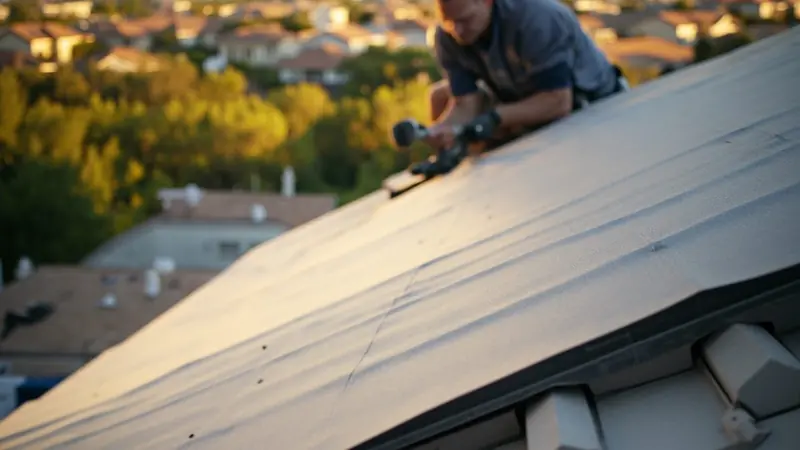
Where we start on a tile roof
We start at the valleys, the pipe boots and the wall intersections, since that is where failed underlayment shows first. From there the check moves to the open field, then to the attic, in the same order every time.
- We pull a tile at a valley, a boot or a wall intersection to see what shape the felt is in underneath it.
- We read the pin moisture meter from the attic side against the bottom of the deck at that same spot.
- We walk the attic access with a light and look for staining or daylight around every penetration and valley.
- We check the soffit intake against the ridge exhaust so the new underlayment is not built onto the same airflow problem.
- We write up the job, naming a lift and relay or a tear off, before any more tile comes up.
Valleys and wall intersections fail first because water concentrates there and underlayment has the least overlap at those cuts. The open field, away from any penetration, usually holds up longest, so a visit that only glances at the roof from the ground misses exactly the spots that are already failing.
The pin moisture meter is the reading that decides whether this stays a lift and relay or becomes a tear off. A reading under 15 percent means the sheathing can carry new underlayment as is. Above 20 percent, that section is holding water and gets replaced before any tile returns to it. That reading gets taken before any work is written.
Some owners weigh staying with tile against switching to architectural laminated shingle at tear off time. That shingle class glues two layers together, so it sits heavier and thicker than three tab, and it carries a wind rating commonly quoted between 110 and 130 mph when the nailing pattern and starter strip match the spec.
Tile, including clay tile roofing, Spanish tile roofing and concrete tile roofing, carries more weight on the frame but tends to outlast that shingle class when it is kept in repair. A house already built to carry tile usually stays with tile rather than taking on a shingle roof the frame was never sized for. A lift and relay is close to a tile underlayment replacement on its own, done without hauling the tile itself away.
If you are weighing options, start with how long does a roof last.
Our crews work to the installation standards of the National Roofing Contractors Association.
How the tile roof visit runs
On site assessment
Once we are on the roof and in the attic, we pull a tile at the valley or boot, read the pin moisture meter against the sheathing there, and check the soffit intake against the ridge exhaust, the same checks walked through earlier. You stay on the ground while this happens, and we bring down what the tile and the meter showed. By the time we are done you know whether the deck under that section is dry or compromised, and you have a written quote in hand before anyone touches another tile.
Approval and the tile work
You look over the written quote and tell us to go ahead before the lift and relay or the tear off starts. Loose tile comes off the affected section first and gets set aside on tarps. New underlayment goes down over sheathing we confirmed was dry, or over new sheathing where the old deck tested wet. Flashing at valleys, walls and penetrations goes back in before the tile returns, and the tile gets reset or replaced row by row across that section.
Final check and reading
Before we leave, the pin moisture meter goes against the new underlayment and the sheathing underneath it. It has to read under 15 percent before the job is called finished. We show you that reading at the spot where the stain or the loose tile started. We also walk the soffit intake and ridge exhaust with you, since a balanced attic is part of why the new underlayment should outlast the one it replaced. Any tile or flashing we swapped out gets set aside so you can see it before it leaves the property.
What tile roof installation needs in Ontario homes
This job usually needs a permit once the deck is reopened. The City of Ontario Building Department handles that review under the California Residential Code, and the inspector's sign off decides when the roof can be closed back up.
One shortcut this job punishes is resetting tile directly onto felt that is already past its service life instead of doing the lift and relay. The tile looks fine going back down. Then a winter storm finds the same torn spot, and the ceiling stain returns before the season ends.
Another shortcut is skipping the soffit and ridge balance check during a tear off because the covering above looks undamaged. The new underlayment goes in, but the attic air imbalance behind the blocked soffit intake is already at the sheathing. It keeps condensing moisture against the new deck the same way it did against the old one.
Clay roof tiles and concrete roof tiles carry different weight loads, so a switch between the two during a lift and relay can change what the structural review looks at. That is one more reason the permit step matters here, since the deck and the covering get inspected together.
A third shortcut is reusing old step and counterflashing around chimneys and walls because the tile covering them still looks sound. Flashing metal corrodes faster than tile breaks, and water finds the gap at the wall line long before anything shows at the field.
Seeing a related sign? Read about cracked or damaged flashing.
How this job runs once you call
Same day or scheduled visit
During the call, we ask about the tile's appearance, how many tiles are involved, and any ceiling stain under that spot. If rain reveals a leak, or a tile slides off the roof into your yard, expect a technician the same day. A few raised tiles with no stain below them gets set up as a scheduled visit instead.
What the tear off disturbs
Pulling tile off the deck means a loaded dump trailer parked at the curb or driveway for the tear off days. Clear patio furniture, planters and parked cars from underneath the eaves before we arrive. Tile gets staged and sorted on tarps in the yard until the good pieces go back down, and old felt and broken tile come off the property the same way they came off the roof.
What decides a tear off
Deck condition drives this job more than anything else, since nobody knows what is under the tile until it comes off. Pitch and how many stories we work from change how tile gets staged and moved. A cut up roof with several valleys and penetrations takes longer to re flash than an open field. The tile class you choose, concrete tile roofing or clay tile roofing, and whether you want an impact rated profile, also changes what goes back down. You see the written quote once the deck is open and approve it before any tile returns.
Before we close it
We show you the deck once the old tile and felt are off, including any soft or delaminated sections before they get replaced. You see the options for underlayment and tile class laid out, and you tell us to proceed before new felt goes down. Tile that comes off a damaged run gets shown to you rather than hauled off without a look. The same goes for any flashing we pull at a wall or chimney.
Tile Roof Installation Questions From Ontario Homeowners
Felt underlayment sits under every tile roof, laid directly over the wood deck before the tile goes down. Tile protects that felt from sun and weather, but the felt is the layer doing the waterproofing. It has a shorter service life than the clay or concrete tile above it, so it can fail while the tile still looks sound. Flashing at valleys, walls and penetrations is part of that same underlayment system. A lift and relay resets existing tile over fresh underlayment, while a tear off strips everything down to bare deck before new felt and tile go back on.
Weight is the main tradeoff with a tile roof, since tile carries more load than asphalt shingles. A house has to be built or reinforced to carry that weight before tile goes on. Individual tiles crack if walked on carelessly, so repairs and inspections need care around the field. The felt underneath ages out faster than the tile sitting on top of it, so a roof can look fine from the ground while the underlayment underneath has already failed and needs a lift and relay or a tear off to fix.
Tile coverage is measured by roof area and tile profile. A steeper pitch or a cut up roof with several valleys takes more tile per square than an open field of the same size, and the tile class, concrete or clay, changes the count further. Rather than estimate from the floor plan, the roof itself gets measured during the visit, including pitch and how many valleys and penetrations are present, before the tile order is set. That measurement is part of what decides the size of a tear off or lift and relay job.
Tile is secured to battens or the deck with fasteners and clips, depending on the profile and pitch. The felt underneath carries the actual waterproofing, so the tile sits as a covering layer above it rather than as the sealed surface itself. Flashing at valleys, walls, and penetrations ties into that same underlayment before the tile goes back down over it. During a lift and relay, tile gets lifted, set aside, and reset once new underlayment is in place, using the same attachment points where the deck allows it.
Installation starts with the deck, not the tile, since the felt or underlayment laid over the sheathing is what keeps water out. On a tear off, old tile and felt come off down to bare deck, the sheathing gets checked with a pin moisture meter. Any wet or delaminated sections get replaced before new underlayment goes down. Flashing at valleys, walls, and penetrations goes in next. Tile goes back on row by row once the underlayment and flashing are in place. Soffit intake and ridge exhaust get checked too, since a blocked intake affects how long the new underlayment lasts.
How long a tile roof lasts depends on the underlayment underneath it. Clay and concrete tile tends to outlast that layer when the roof is kept in repair. Attic heat cycles and blocked soffit intake speed up how fast the underlayment ages, even while the tile on top still looks sound. A lift and relay that resets tile over fresh underlayment extends that life again. Watching for raised or slipped tile, and a ceiling stain with no recent rain, signals the underlayment stage has reached its practical end before the tile itself does.
Why felt underlayment fails under sound tile in Ontario
In Creekside, where concrete tile roofs mostly date to the late 1980s and 1990s, the tile itself is often still sound while the felt underneath it has aged out from decades of hot attic cycles. Ontario's long summer stretch pushes attic temperatures past what cooler coastal cities see, so the felt under tile here breaks down faster than the tile sitting on top of it. Fall and winter Santa Ana wind events add their own stress, working at the edges of tile that already sits loose over failed felt, and the first heavy rain after a wind event often shows the leak. That combination is why a lift and relay on a roof from that era can turn into an underlayment job, not a tile replacement job, once the covering comes off.
Work like this is inspected once the deck is open, since that is the only point anyone can see what shape the sheathing is in. The inspection looks at the nailing pattern, the number of underlayment layers and the flashing detail at valleys and walls. That is one reason the job you approve describes what is already open rather than guessing at it from the ground. On a lift and relay that turns into a deck repair partway through, the job gets amended before the new felt or the tile goes back on, so the inspection and the work match. Ontario sits in San Bernardino County, and the same review step applies whether the house sits in an older tract or a newer one.
Tile Roof Installation Across Ontario and Nearby Towns
We handle tile roof installation across Ontario and in these nearby towns.
Roofing Services Near Ontario
Looking for tile roof installation near you in Ontario? Call (909) 330-4661 and we will confirm we cover your street.
Address:
Ontario Roofing, 4335 E Lowell St, Suite G
More Residential Roofing Services in Ontario
From inside, you can look at the attic hatch area with a flashlight and check for a dark ring or staining on the sheathing near a valley or a wall line. That tells you whether moisture is already reaching the deck. Walking the tile field, lifting pieces or resetting anything that has slipped belongs to the visit, since loose tile cracks fast underfoot and the felt beneath it is what needs attention.
Have the rough age of the roof ready, along with how many tiles look raised or out of place and where that is relative to a valley, chimney or wall. Note whether any ceiling stain appears only after rain or shows up on dry days too. If you have been in the attic recently, mention whether you saw staining near the eaves.